
Fuelling the problem – part 1
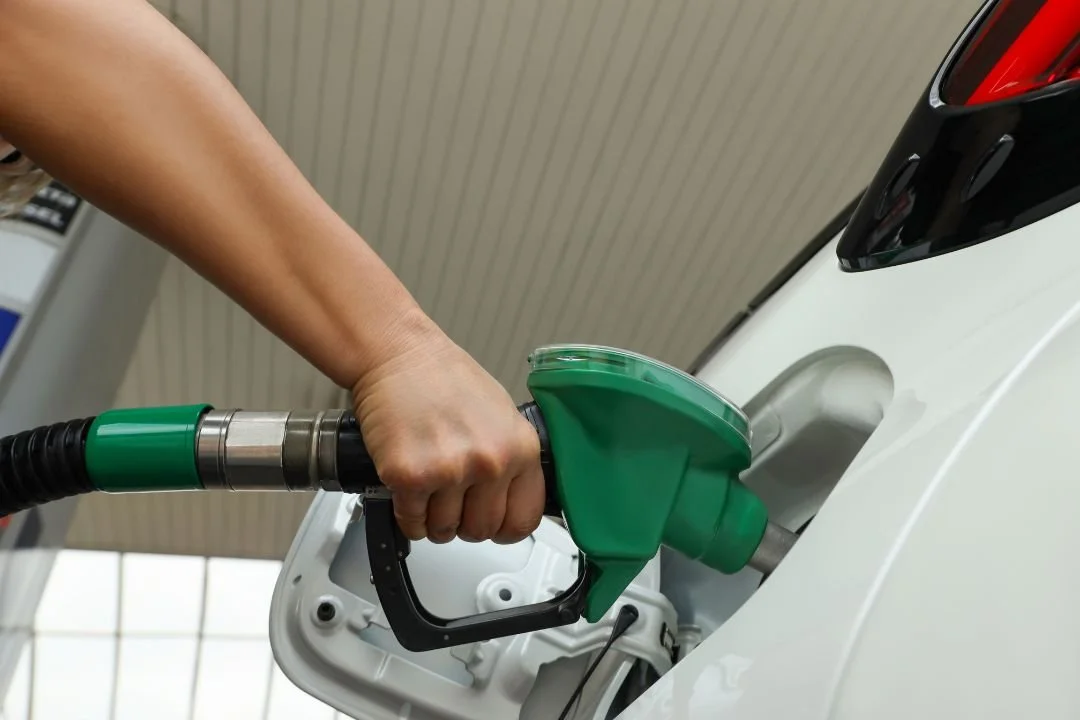
With the volatility of the conflict in Iran developing daily as to how far it will escalate or not, its early days yet to determine the long term effects, certainly we’re feeling it at the fuel pump right now.
Shipped refined to NZ and stored in depots and service stations around the country, its cost priced based on the replacement price on the day its dispensed and transacted, traded on international markets factoring supply and demand, shipping costs and currency pricing, hence it changes daily.
Putting it into perspective, on a personal usage level, allowing for variations, if you take the average private commuter travels around 15,000 kms pa or 1,250 kms a month and the average combustion engine vehicle uses about 10 litres per 100 kms combined city/highway cycle that’s 1,500 litres pa or 125 litres per month. Add the price per litre of 91 octane a month ago at $2.49 litre, on 125 litres is about $311 mth, now .84 cents more at $3.33 litre it’s $416 or a $105 mth / 33% increase. If it goes to $4.00 litre the same 125 litres is $500 mth or $189 mth / 60% increase.
Diesel on the other hand has gone from $1.80 litre a month ago up $1.40 to about $3.20 litre now, an increase of 77% or $175 mth on the same 125 litres.
While those percentage increases are huge in a month, it’s on a relatively small volume for average personal use. So the increase of $105 mth is $3.50 a day which is one barista made coffee every 2 days and $175 mth is $5.80 day or one beer at your local every 2 days – meh! That being said we appreciate to some already struggling with the cost of living, any increase can impact them greatly.
Commercial and industrial use on the other hand uses copious amounts of diesel comparatively and is a whole other matter and lets not even talk about jet fuel. Fuel is a key metric in the cost of production and distribution of everything we buy which in turn gets added to the cost of goods on the shelf which has one effect … inflation, the very thing we’re trying to keep at bay to continue our economic recovery.
So while it’s a nuisance on a personal level that might curtail us from buying more latte’s, on an industrial scale its everything we don’t want and affects the price of goods we buy personally. The sooner this is sorted the better.
Click here to take you to BP’s informative ‘facts about fuel pricing’ page.
For mor on the above, click on the link below.