
New earthquake ratings and the effects on the Chateau Tongariro
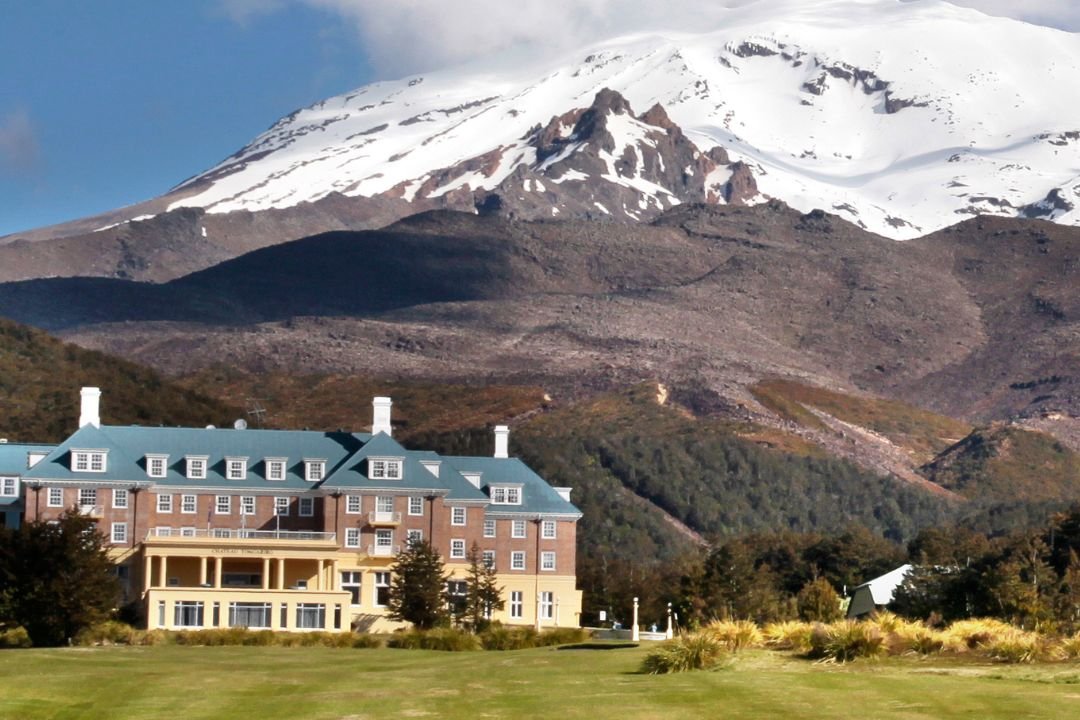
New Zealand’s proposed new earthquake-rating framework is set to reshape the commercial property landscape, altering how buildings are valued, financed, and insured — and offering a possible lifeline to one of the country’s most iconic heritage structures, the Chateau Tongariro.
The Government’s reforms shift away from the long-criticised %NBS (New Building Standard) scoring system, introduced in 2017 on the back of Christchurch and Kaikoura quakes, which for years acted as a blunt instrument across the commercial sector. Instead, a proposed Earthquake Prone Building ( EPB ) risk-based approach will determine which buildings genuinely pose a life-safety hazard, with requirements tailored to building type, materials, and seismic zone. For owners, this means many buildings previously flagged as earthquake-prone may no longer face mandatory strengthening, while only the highest-risk structures will require major upgrades.
The effect on property values is expected to be immediate. Under the old system, a low NBS rating could slash a building’s value, deter buyers, or prevent leasing altogether — even when the actual risk was moderate. By removing thousands of buildings from earthquake-prone registers and introducing more proportionate remediation obligations, the new framework is expected to lift values, stabilise yields, and restore investor confidence, particularly in older commercial stock.
Banks, too, are preparing to rewrite their lending rulebooks. Previously, a low NBS rating often resulted in reduced loan-to-value ratios, higher interest margins, or outright refusal to finance. The new system gives lenders a clearer, more nuanced understanding of structural risk, which is expected to increase bank appetite to lend on buildings that were previously deemed too risky. While seismic risk will remain a key underwriting factor, the era of rigid NBS-based credit decisions are giving way to a more tailored approach.
Few properties illustrate the impact more dramatically than the iconic Chateau Tongariro, currently owned by DOC and on conservation land, closed in 2023 after a detailed assessment gave the building a seismic rating of 15% NBS and a Grade E risk citing serious structural vulnerabilities, understrength foundations, unreinforced masonry and unstable parapets and chimneys — indicating its risk in earthquake scenarios is up to 25 times higher than a new build with restoration cost estimates thought to exceed NZ $100 million. The new regime is thought to be expected to reduce restoration costs by around 20% dramatically improving its economic viability to investors while in turn reinstating its importance to the regional economy and national symbolism.
For more on the above click here.
Written by Brian Coogan, Licensed Financial Adviser and Director at Infinance – Taupo.